IFB Gaming

Loading

Can Digital Unite Communities & Organisations Towards a Shared Vision? A Look at Get Online Week 2023

Let’s pretend for a second that this is not IFB Gaming – that our CEO, John Adewole, did not explore the efficacy and vitality of the gaming paradigm for project management and as a social accommodator for the insecurely attached through a longitudinal virtual ethnography. Let’s pretend that during his study, he did not capture the extent of modality switching from the gaming paradigm.

So what happened during Get Online Week?

IFB Gaming united charities and community organisations in Southwark for our 6th Get Online Week campaign in London. Get Online Week is championed by the UK’s leading digital inclusion charity, Good Things Foundation. The annual event sees the National Digital Inclusion Network get together to reinvigorate our pledges to eradicate digital inclusion and data poverty through collective action.

Now in its 16th year, the annual campaign has supported thousands of organisations to support millions of individuals at risk of digital inclusion and data poverty.

2023’s Get Online Week unfolded on Kennington and Brandon Estates in the London Borough of Lambeth and Southwark, respectively. Community development initiatives frequently necessitate educational programs, and during Get Online Week, we employed a dedicated educational app called Learn My Way.

The organisations that supported GOW 2023 include the NHS, NHS Digital, Good Things Foundation, Future Dot Now, and Vodafone’s Everyone.Connected, Metropolitan Police, and Virgin Media O2.

During the week;

  • We conducted focus groups with the Brandon Estates TRA committee and residents
  • We supported Seniors to master the new NHS appointment booking process via Swifqueue
  • We supported individuals through the National Databank
  • We supported individuals with basic digital skills using the EDS Framework
  • We empowered Women through Business Information Technology workshops
  • We explored new ways of doing research with NHS England in London communities
  • We conducted a Digital Skills and Needs Assessment with residents of Brandon Estate

So, can digital unite communities and organisations towards a shared vision and goals? In our operational research experience, we certainly have the data and insights to say yes! Digital can sustainably unite individuals and communities from the gaming paradigm towards a shared vision and goals; however, we have yet to establish whether it can from a real-world context.

Unlike real-world contexts where motive and motivation may differ significantly, the motive and motivation for presence in the gaming paradigm are playing and fun.

Ensure you are following our social media channels for more updates on the efficacy and vitality of digital to sustainably unite communities.

In the Press

Thank You for Inspiring Minds and Empowering Futures during Get Online Week in Southwark – John Adewole PMP

Get Online Week “Empowering Futures” – IssueWire

Kennington estate to host computer skills workshops for local residents – Southwark News

Success Story: Get Online Week with BREAKTHEBARRIER CIC – Community Southwark

– Get Online Week

Embracing Gamification for Digital Inclusion and Community Resilience

What is Gamification?

Gamification is the application of game design elements and principles in non-game environments in order to increase engagement, motivation, and participation.

It involves incorporating features commonly found in games — such as points, levels, badges, leaderboards, challenges, missions, and rewards — into activities like education, community development, training programmes, and digital learning.

The goal is simple: make participation more engaging and rewarding.

By tapping into the psychological drivers that make games compelling — including achievement, curiosity, competition, and progress — gamification can encourage people to stay motivated and continue learning or contributing over time.

Today, gamification is used in many sectors, including:

  • education and training
  • health and wellbeing programmes
  • employee engagement initiatives
  • marketing and customer experience
  • community participation programmes

When applied thoughtfully, gamification can transform activities that might otherwise feel difficult, technical, or intimidating into experiences that are accessible, enjoyable, and motivating.

Gamification and Community Development

One of the most important discussions around gamification is whether it can be applied meaningfully in real-world community development.

At IFB Gaming, our experience suggests that the answer is yes.

During Get Online Week: Inspiring Minds! Empowering Futures, we experimented with gamification approaches to encourage participation and digital learning within a South London community.

By framing participation as a series of challenges and missions, we transformed the learning environment into something more dynamic and engaging — almost like navigating a digital adventure similar to experiences found in open-world games such as Grand Theft Auto.

The objective was not to turn community work into entertainment, but rather to use familiar game mechanics to reduce barriers to participation.

How Gamification Can Strengthen Communities

Gamification can support community initiatives in several important ways.

Community Engagement

Gamification can encourage community members to actively participate in events, initiatives, and projects.

Tasks such as attending workshops, volunteering, contributing to local initiatives, or participating in digital training programmes can be framed as missions or achievements, making participation more interactive and rewarding.

Education and Digital Skill Development

Many community development programmes involve teaching new skills.

However, learning digital skills can feel intimidating for beginners, particularly for people who may have had limited exposure to technology.

Gamification helps address this challenge by turning learning into a progressive journey.

During Get Online Week, we used the educational platform Learn My Way, which provides structured digital learning pathways. By introducing elements of challenge, progress, and achievement, participants were able to move through learning modules with greater confidence and motivation.

Culture and Behaviour Change

Gamification can also support positive behaviour change within communities.

Challenges and reward systems can encourage activities such as:

  • recycling and environmental responsibility
  • energy conservation
  • trying digital services for the first time
  • adopting healthier lifestyles

By celebrating progress and recognising participation, gamification can reinforce positive habits and community engagement.

Community Building and Social Connection

Games naturally bring people together.

Gamified activities such as community challenges, neighbourhood competitions, or digital scavenger hunts can create opportunities for residents to interact with one another and develop a stronger sense of belonging.

In many communities, especially those experiencing social or digital isolation, this type of interaction can be extremely valuable.

Data Collection and Community Insight

Gamified platforms can also provide useful insights for community organisers.

For example, mobile apps or digital platforms could encourage residents to report local issues — such as potholes, graffiti, or maintenance concerns — while earning points or recognition for contributing to community improvement.

This approach allows communities to gather valuable information while encouraging civic participation.

Volunteer Motivation and Recognition

Volunteers are often the backbone of community programmes.

Gamification can help recognise and motivate volunteers by tracking contributions, celebrating milestones, and highlighting the impact of their efforts.

Leaderboards, recognition systems, or digital achievement badges can help volunteers feel valued while encouraging sustained engagement.

Gamification and Digital Inclusion

Gamification also has significant potential within digital inclusion initiatives.

Learning digital skills can be overwhelming for beginners. Tasks such as setting up an email account, navigating online services, or understanding online safety may appear simple to experienced users but can feel daunting for someone starting from scratch.

By introducing game elements such as levels, progress indicators, and achievement milestones, digital learning programmes can become more supportive and less intimidating.

Participants can progress step-by-step, gaining confidence as they unlock new skills and knowledge.

In this way, gamification helps transform digital learning from a purely technical process into a motivating and empowering experience.

Looking Ahead

As communities continue to navigate a rapidly evolving digital world, innovative approaches to engagement and learning will become increasingly important.

Gamification offers a promising pathway for making community initiatives more interactive, inclusive, and impactful.

At IFB Gaming, we believe that the principles of gaming — curiosity, challenge, collaboration, and progress — can play a powerful role in strengthening communities and supporting digital inclusion.

By thoughtfully integrating gamification into community programmes, organisations can inspire participation, build confidence, and help communities thrive in an increasingly digital society.

Our Commitment

At IFB Gaming, we continue to explore how gaming principles, emerging technologies, and community engagement strategies can work together to create more inclusive digital futures.

Through initiatives like Get Online Week, we are experimenting with practical approaches that help communities learn, participate, and grow together.

Because when learning feels like progress — and progress feels like a game — communities become stronger, more confident, and more connected.
IFB Gaming Joins FutureDotNow Coalition

Our commitment is to elevate digital inclusion and eradicate digital poverty. We recognise that this endeavour requires a collective effort beyond any single expert, organisation, government, or community. Hence, we are proud to announce that we are now an active member of the FutureDotNow coalition and will align our tangible and intangible resources and objectives with the alliance to eradicate digital inclusion and data poverty from the UK.

The pandemic has underscored the urgency of our mission, signalling that traditional methods may no longer suffice during technology adoption maturity and beyond.

Future Dot Now is a coalition of forward-thinking organisations dedicated to enhancing essential digital skills in the UK’s workforce. There are currently 133 members in the coalition, including esteemed organisations such as Good Things Foundation, PwC, and Lloyds Banking Group.

We are honoured to be a part of this dynamic coalition.

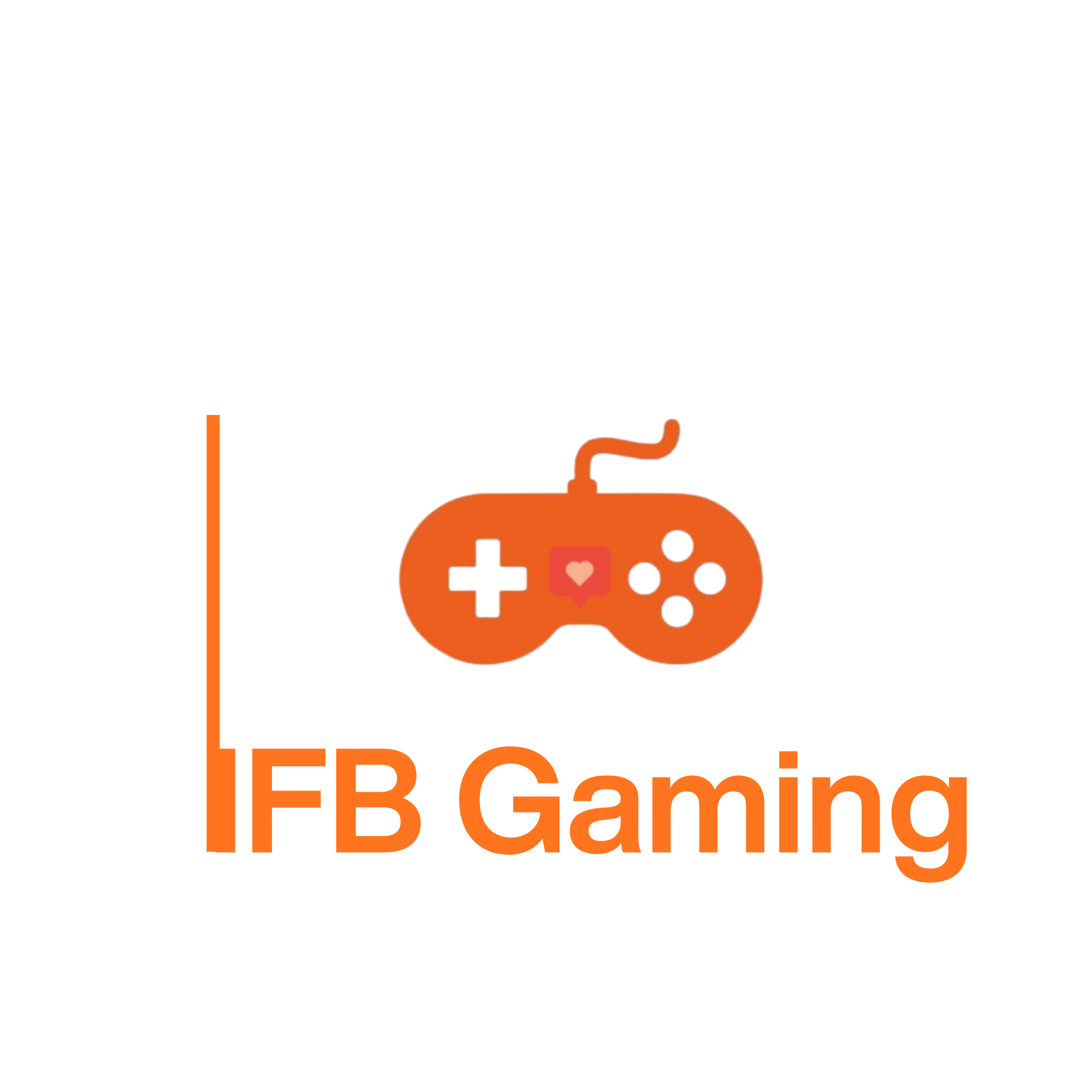
FutureDotNow Essential Digital Skills Framework
Essential Digital Skills Framework (Credit: Future Dot Now)

Fostering a digitally-enabled culture is pivotal to our nation’s success. As members of the Future Dot Now coalition, we aim to contribute valuable insights while benefiting from the expertise of other esteemed organisations within the coalition.

(Future Dot Now)

About IFB Gaming

IFB, an acronym for International Friends Bureau, is a hybrid bridge and connector research and learning organisation focused on the intersection of play, lifelong learning and digital exclusion.

Our Empowering Futures initiative is an impact-driven initiative designed to tackle digital exclusion, data poverty, and accessibility challenges faced by underserved communities. The programme provides free SIM cards, digital skills training, and connectivity solutions to low-income individuals, refugees, and those without recourse to public funds.

What Membership in the Coalition Means to IFB Gaming

Given our unique positioning as a bridge research and learning organisation researching in English communities, affiliation with the coalition aligns with our mission in several ways:

  1. Support from Digital Inclusion Leaders: We anticipate garnering support from prominent individuals and organisations actively engaged in digital inclusion initiatives in England and Wales.
  2. Knowledge Exchange: Participating in the coalition allows us to share our insights and gain fresh perspectives and expertise specifically tailored to digital inclusion.
  3. Advocating Gamification: We intend to advocate for the benefits of gamification and emerging trends within the coalition.
  4. Awareness Initiatives: We aim to create awareness programs highlighting the myriad applications available to Third Sector organisations and community groups.
  5. Strategic Partnerships: Collaborative efforts within the coalition will contribute to strengthening the UK’s position through strategic partnerships within the Commonwealth.
  6. Promotion of Digital Skills Framework: We are committed to promoting the Essential Digital Skills Framework within BAME communities, starting from the grassroots level.
  7. Community Engagement: We will facilitate volunteering opportunities within the community and offer free or affordable workplace digital training and products to coalition members.

The Essential Digital Skills (EDS) Framework, outlined above, delineates five key skills and provides examples of tasks that individuals should master to demonstrate competence in each skill. Notably, the fifth skill—being safe, legal, and confident online—is interwoven across the other four.

The pandemic has accentuated existing gaps and exposed new challenges. It is evident that while there are numerous efforts underway in UK communities aimed at fostering a prosperous, connected, equitable, and sustainable digital economy, much of this work operates in isolation, often lacking proper documentation and alignment with systemic structures.

We firmly believe that a robust, comprehensive, and cyclical strategy is now imperative, one that is firmly grounded in strategic partnerships and driven from the grassroots and the policy (bottom-up-top-down), with a focus on empowering individuals and communities.

According to the City of London News Room, the UK is leading the digital revolution, with technology, media, and creative businesses outpacing the broader economy in terms of growth. Nevertheless, the rapid pace of change is leaving a significant portion of our population behind:

  • 53% of UK employees lack the essential digital skills necessary for the workplace.
  • 4.1 million adults in the UK remain ‘offline,’ with 75% indicating no motivation to change.
  • 11.3 million UK adults still lack the fundamental skills needed to access the internet, communicate effectively, and solve problems online.

The Future Dot Now coalition has made the following commitments, and we encourage other organisations to join us in this endeavour. Only through collective action can we develop fluid, interconnected, and sustainable solutions that are equal to the tasks and challenges that lie ahead.

Unveiling Insights: Southwark Digital Skills and Needs Assessment Survey 2023

Event Title: Southwark’s Digital Landscape and the Hidden Opportunities


Date: TBC

Time: 1-3pm

Location: Microsoft Teams

During the online event, we will unveil the findings of the recent consultation with the residents of Kennington and Brandon Estates.

The event is for Third Sector leaders working to tackle digital inclusion and data poverty in the UK.


BACKGROUND

In 2023, the Southwark Digital Skills and Needs Assessment Survey provided invaluable data and insights into the digital landscape of the community.

This event serves as a platform to share the key findings, challenges, and opportunities revealed by the survey.

We aim to foster a deeper understanding of the digital skills and needs within Southwark’s Brandon and Kennington Estates and chart a course for a digitally inclusive future in Southwark.


WHAT YOU CAN EXPECT

During the online event,

  • we will unveil the findings of The Digital Skills and Needs Assessment Survey
  • make practical recommendations that you can start implementing immediately


REGISTER YOUR INTEREST

Please register your interest with the link. (What is this?)

The link will take you to a form. Once you have filled out and submitted the form, you will receive an email with the full details of the event. You will also be able to continue to pay and complete your registration or cancel.


Please contact john.a@ifbgaming.com if you would like to have a chat.

Thank you!

Register For Get Online Week 2024 in Southwark

Do you need help with technology? Then Get Online Week is for you. Find an Online Centre near you and get the help you need.

10.2 million people in the UK lack the basic digital skills needed to use the internet (1), with millions still living without access to a device or data to get connected. Unable to connect with loved ones, job and training opportunities and everyday services moving online, people are experiencing digital exclusion and are being left behind. This has caused a digital divide between those connected and those disconnected.

Get Online Week is an annual campaign run by leading digital inclusion charity Good Things Foundation, which powers the National Device BankNational DatabankLearn My Way and the National Digital Inclusion Network.

For one week in October, our network of community partners host hundreds of free digital skills events to help people get online safely, confidently and affordably.

Now in its 17th year, Get Online Week has helped hundreds of thousands of people to get online for the first time and improve their digital skills.

This year Get Online Week is happening 14th-20th of October.

Join Empowering Futures to register an event in Southwark or Find an event near you

Upcoming Events